


Gasoline benzene, often referred to simply as benzene, is a highly important aromatic hydrocarbon used extensively in the petrochemical industry. Known for its distinctive sweet smell, benzene is a clear, colorless liquid that is highly flammable and volatile. It is derived primarily from crude oil refining and is found in gasoline, typically in small percentages. The addition of benzene to gasoline enhances the octane rating, making the fuel more efficient and less prone to knocking, which improves engine performance.
Chemical Properties and Uses:
Chemical Composition: Benzene (C6H6) has a unique ring-like structure, known as an aromatic ring, which contributes to its stability and reactivity. This structure makes benzene an ideal starting material for synthesizing a variety of important chemicals.
Industrial Applications: Beyond its use in gasoline, benzene serves as a fundamental building block in the production of numerous chemicals. It is widely used to manufacture styrene (used in plastics and synthetic rubber), phenol (used in resins and adhesives), and cyclohexane (used in the production of nylon).
Role in Petrochemical Production: Benzene is a key raw material in producing other high-demand petrochemicals. It is involved in the manufacture of aniline, nitrobenzene, and other chemicals essential for dyes, pesticides, pharmaceuticals, and detergents.
Safety and Handling Considerations:
Toxicity and Health Risks: Benzene is known to be toxic and carcinogenic, posing significant health risks with prolonged exposure. It can affect bone marrow and cause blood disorders such as anemia and leukemia. As a result, strict guidelines are in place to limit exposure in industrial and workplace environments.
Regulatory Standards: Due to its hazardous nature, benzene content in gasoline is regulated to minimize environmental and health impacts. The production, storage, and transportation of benzene require careful safety measures, including proper ventilation, protective equipment, and emergency response plans.
Environmental Impact: Benzene emissions can contribute to air pollution and pose risks to environmental and human health. Therefore, industries must implement emission control systems and adhere to environmental regulations to minimize benzene release into the atmosphere.
Market Demand and Supply Chain Dynamics:
The demand for gasoline benzene is closely tied to its wide-ranging applications in the chemical and fuel industries. While regulations around benzene usage in gasoline are strict due to health concerns, its essential role in the petrochemical sector keeps it in steady demand globally. The market for benzene is influenced by factors such as crude oil prices, refinery outputs, and demand from downstream sectors.
As a leading supplier, we offer high-quality gasoline benzene that meets stringent international standards. Our focus on safety, compliance, and reliability ensures a consistent supply chain for our clients, providing the petrochemical industry with the materials needed to drive innovation and production efficiency.

Naphtha is a highly versatile hydrocarbon mixture used extensively in the petrochemical and refining industries. It is a clear, flammable liquid that comes in different types, such as light and heavy naphtha, based on their boiling ranges and hydrocarbon composition. This diversity makes naphtha a key raw material for producing high-value chemicals and fuels.
Chemical Properties and Types:
Chemical Composition: Naphtha is a complex blend of hydrocarbons, typically containing alkanes, cycloalkanes, and aromatic hydrocarbons. It is classified primarily into two categories: light naphtha (boiling range of 30°C to 90°C) and heavy naphtha (boiling range of 90°C to 200°C). Light naphtha is rich in paraffinic hydrocarbons, while heavy naphtha contains more aromatics.
Light Naphtha: Light naphtha is mainly used as a feedstock for steam cracking to produce olefins such as ethylene, propylene, and butadiene. These olefins are essential building blocks for producing a wide range of plastics, resins, and synthetic fibers. Light naphtha is also used in the production of high-octane gasoline components due to its high volatility.
Heavy Naphtha: Heavy naphtha is used in catalytic reforming processes to produce reformate, a high-octane blending component for gasoline. Reformate is rich in aromatics like benzene, toluene, and xylenes (BTX), which are crucial for various chemical manufacturing processes, including the production of synthetic rubber, adhesives, and coatings.
Applications:
Petrochemical Industry: Naphtha is a fundamental feedstock for petrochemical plants. It is fed into steam crackers to produce ethylene, propylene, and other olefins, which are further processed to create polymers, solvents, and various chemical intermediates.
Refining Sector: In oil refineries, naphtha is reformed to improve its octane rating and is blended into gasoline. This helps in enhancing fuel performance and reducing engine knocking, making it a crucial component in automotive fuels.
Solvent Use: Naphtha is a common solvent in industrial and consumer products, such as cleaning agents, varnishes, and paints, due to its excellent solvency properties.
Environmental and Safety Considerations:
Flammability and Safety: Naphtha is highly flammable, requiring careful handling, storage, and transportation to avoid accidents. Safety measures, including proper ventilation, fire control systems, and personal protective equipment (PPE), are essential for its safe use.
Environmental Impact: Naphtha’s volatility can lead to significant emissions of volatile organic compounds (VOCs), which contribute to air pollution and potential health risks. Regulatory standards are in place to minimize emissions and ensure safe handling and usage.

Kerosene, also known as paraffin oil, is a versatile and widely used liquid hydrocarbon. It is a clear, colorless fuel derived from the distillation of crude oil. With its moderate volatility and relatively high flash point, kerosene is safer to handle and store compared to gasoline, making it a popular fuel for various applications.
Chemical Properties and Types:
Chemical Composition: Kerosene is a mixture of hydrocarbons, primarily alkanes and cycloalkanes, with a boiling range between 150°C and 275°C. It is less volatile than gasoline but more volatile than diesel, which allows for controlled combustion and stability.
Grades of Kerosene: There are different grades of kerosene, including:
Aviation Kerosene (Jet Fuel): Used as fuel for jet engines and aviation turbine engines due to its high purity and low freezing point.
Heating Kerosene: Used for residential heating and lighting, especially in portable heaters and lamps.
Industrial Kerosene: Used as a solvent or cleaning agent in industries due to its effective degreasing properties.
Applications:
Aviation Fuel: Kerosene, particularly Jet A and Jet A-1, is the primary fuel for commercial aircraft. Its low freezing point and high energy content make it ideal for high-altitude flights and long-distance travel.
Heating and Lighting: Kerosene is commonly used in portable heating systems and lamps, especially in regions without access to natural gas or electricity. It provides a reliable source of heat and light.
Solvent and Degreasing Agent: In industrial settings, kerosene is used as a solvent for removing grease and oil from machinery parts and equipment. It is also used in the manufacture of pesticides, insecticides, and as a base for other chemical formulations.
Safety and Handling Considerations:
Flammability and Storage: Kerosene is highly flammable but has a higher flash point compared to gasoline, making it relatively safer to store. Proper storage in approved containers and well-ventilated areas is essential to prevent fire hazards.

Light oil, often referred to as light crude oil, is a type of petroleum with a low density and low viscosity, making it a highly desirable resource in the energy sector. Characterized by a higher API gravity (typically above 31.1°), light oil contains fewer heavy hydrocarbons, allowing for easier refining and higher yields of valuable products such as gasoline, diesel, and jet fuel. It is less sulfurous, making it a “sweet” crude, which is more environmentally friendly and cost-effective to process.
Chemical Properties and Characteristics:
High API Gravity: Light oil’s API gravity generally ranges from 31.1° to 45°, which means it is less dense compared to medium and heavy crude oils. This makes it more fluid and easier to transport and process.
Low Sulfur Content: Light oil is considered “sweet” because of its low sulfur content, usually less than 0.5%. This reduces the need for extensive refining processes and minimizes sulfur dioxide emissions during combustion, which is better for the environment.
Composition: It primarily consists of shorter-chain hydrocarbons like paraffins, naphthenes, and light aromatics. This composition allows for more efficient cracking processes in refineries, producing higher yields of gasoline, diesel, kerosene, and other light distillates.
Applications and Uses:
Fuel Production: Due to its composition, light oil is highly sought after for producing transportation fuels. Refineries can convert a large percentage of light crude into gasoline, diesel, jet fuel, and other high-value products, making it a cornerstone of the global energy supply chain.
Petrochemical Feedstock: Light oil serves as a feedstock for producing a wide range of petrochemicals, such as ethylene, propylene, and butadiene, which are essential for manufacturing plastics, resins, and synthetic fibers.
Heating and Power Generation: Light oil can also be used in power plants and heating systems. Its lower sulfur content results in cleaner burning, making it suitable for power generation with reduced environmental impact.
Heavy oil is a dense, viscous type of crude oil characterized by a high molecular weight and low API gravity, typically less than 20°. Due to its high density and viscosity, heavy oil requires more extensive refining processes, such as thermal cracking or hydrocracking, to convert it into valuable products like diesel, fuel oil, and lubricants. Heavy oil generally contains higher sulfur content and more impurities, making it more challenging to refine and transport compared to lighter oils. However, it remains a significant resource in the global energy market, especially as lighter crude reserves diminish.
Chemical Properties and Characteristics:
Low API Gravity: Heavy oil has a low API gravity, usually between 10° to 20°, indicating a dense and thick consistency. This makes it more challenging to pump and process without special handling techniques, such as heating or dilution.
High Viscosity: Due to its high viscosity, heavy oil often requires heating or dilution with lighter hydrocarbons to improve its flow characteristics. This property also impacts its transportation and refining costs.
High Sulfur and Metal Content: Heavy oil typically contains higher levels of sulfur, nitrogen, and heavy metals like vanadium and nickel, which necessitate additional refining steps, such as desulfurization, to produce cleaner fuels.
Applications and Uses:
Fuel Oil Production: Heavy oil is primarily used to produce fuel oils, including bunker fuel for ships and industrial boilers. Its higher energy density makes it suitable for applications where cost-efficiency is prioritized over environmental concerns.
Bitumen Production: In some cases, heavy oil is used to produce bitumen, a key material for paving roads and waterproofing materials. Bitumen derived from heavy oil is known for its durability and strength in various infrastructure projects.
Enhanced Oil Recovery (EOR): Heavy oil often requires enhanced oil recovery techniques such as steam injection, thermal flooding, or solvent injection to be extracted efficiently. These methods help reduce viscosity and improve flow characteristics, making recovery more feasible.

Diesel is a heavy, refined petroleum product primarily used as fuel in diesel engines, known for its high energy efficiency and durability. It is derived from the distillation of crude oil and is composed of hydrocarbons with carbon chain lengths between 12 and 20. Diesel is widely used in transportation, agriculture, industry, and power generation due to its high energy density and efficiency.
Chemical Properties and Characteristics:
Composition: Diesel consists mainly of saturated hydrocarbons (paraffins) and aromatic hydrocarbons. It has a higher energy content per gallon than gasoline, making it ideal for heavy-duty vehicles and machinery.
Cetane Number: The quality of diesel fuel is often measured by its cetane number, which indicates how quickly and efficiently the fuel ignites in a diesel engine. Higher cetane numbers generally mean better engine performance, less noise, and reduced emissions.
Low Sulfur Content: Modern diesel fuels, such as Ultra-Low Sulfur Diesel (ULSD), have significantly lower sulfur content (15 ppm or less) to meet environmental standards and reduce sulfur dioxide emissions.
Applications and Uses:
Transportation Fuel: Diesel is commonly used in trucks, buses, ships, and trains due to its fuel efficiency, high torque output, and reliability. Diesel engines are known for their durability and ability to perform well under heavy loads and long distances.
Industrial and Agricultural Equipment: Diesel engines power a wide range of equipment in construction, mining, agriculture, and manufacturing, including tractors, combines, excavators, and generators, due to their robustness and fuel efficiency.
Power Generation: Diesel is widely used in power generation, especially in remote locations or for backup power systems, due to its reliability and high energy density.
Environmental and Safety Considerations:
Emission Controls: Diesel combustion produces nitrogen oxides (NOx) and particulate matter (PM), which are harmful to the environment and human health. Modern diesel engines are equipped with advanced emission control technologies like diesel particulate filters (DPF) and selective catalytic reduction (SCR) to reduce emissions.
Storage and Handling: Diesel is less flammable than gasoline but still requires proper storage and handling to prevent leaks, spills, and contamination. It must be stored in well-ventilated areas away from heat sources.

Bitumen, commonly known as asphalt, is a dense, highly viscous hydrocarbon product derived from crude oil. It is primarily used in road construction, waterproofing, and roofing due to its excellent adhesive and water-resistant properties. Bitumen is available in different forms, including bulk and big bags, depending on the transportation and storage needs.
Key Features and Applications:
Road Construction: Bitumen is widely used as a binder in asphalt concrete for paving roads, highways, and runways. It provides durability, flexibility, and resistance to environmental conditions.
Waterproofing and Roofing: In the construction industry, bitumen is used in roofing membranes and waterproofing materials, offering long-lasting protection against water infiltration.
Packaging Options: Bitumen can be supplied in bulk for large-scale projects or in big bags (typically 1-ton capacity) for easier handling, storage, and transportation. The big bag format is particularly useful for locations with limited infrastructure or where controlled application is needed.
Environmental and Safety Considerations: Handling bitumen requires proper safety measures, such as wearing protective clothing and using specialized equipment to avoid burns and inhalation of fumes.
Market Dynamics and Demand:
Bitumen remains a crucial material in construction and infrastructure development. Its demand is driven by road maintenance, new construction projects, and urban development. Innovations in bitumen production and application techniques continue to enhance its performance and sustainability in various conditions.
As a reliable supplier, we offer high-quality bitumen in bulk and big bags that meet international standards, ensuring consistency and reliability for your construction and industrial needs.

Fuel oil, also known as heavy oil or furnace oil, is a viscous, residual oil used primarily for heating, power generation, and marine applications. It is produced from the distillation of crude oil and is categorized into different grades based on viscosity and sulfur content, ranging from light to heavy fuel oils.
Key Features and Applications:
Industrial Heating: Fuel oil is commonly used in industrial boilers, furnaces, and large-scale heating systems for factories, power plants, and commercial facilities due to its high energy content.
Marine Fuel: Marine vessels, including cargo ships and tankers, use heavy fuel oil (HFO) as a cost-effective fuel for long-distance transportation. However, it requires specialized engines and equipment due to its high viscosity and sulfur content.
Backup Power Generation: Fuel oil is used in emergency generators and backup power systems in locations where a reliable electricity supply is crucial, such as hospitals, data centers, and remote installations.
Environmental and Safety Considerations: Fuel oil has a higher sulfur content compared to lighter fuels, which can contribute to air pollution if not properly managed. Regulations in many regions require desulfurization processes to reduce emissions and environmental impact. Proper handling, storage, and transportation are essential to prevent spills and ensure safe use.
Market Dynamics and Demand:
The demand for fuel oil is influenced by industrial activity, energy prices, and regulatory changes. While its use in heating and power generation remains significant, there is a growing trend towards cleaner alternatives. The market continues to evolve with the introduction of low-sulfur fuel oils to comply with stricter environmental standards.
As a trusted supplier, we provide high-quality fuel oil that meets international standards, ensuring reliable and consistent delivery for industrial, marine, and power generation needs.

Base oils are used to manufacture products including lubricating greases, motor oil and metal processing fluids. Different products require different compositions and properties in the oil. One of the most important factors is the liquid’s viscosity at various temperatures.
Recycled Base Oil Used oil or waste oil is any type of mineral oil used in the production and industrial processes as lubricants or heat transmitter. During the operation, the oil reacts with oxygen and produces unsaturated polar compounds or asphalt

Customized Solutions: We recognize that every agriculture venture is unique. Our experienced team works closely with you to understand your fertilization needs and provides tailored solutions to achieve optimal results. Whether you require granular or periled urea, we have the expertise to meet your demands.
Make the smart choice for your agricultural ventures – Together, let’s achieve bountiful harvests, enhance soil productivity, and contribute to sustainable agriculture.

TNE is your partner in supplying raw mineral products, which play a crucial role in the steel manufacturing process. These preliminary forms are essential for further processing into various industrial applications.
Iron ore concentrate is a product that comes from the process of benefaction where the ore is crushed, ground, and the iron which is lower in grade is separated by removing impurities. It generally contains a higher iron content and a lower number of impurities compared to raw iron ore.
– Use: It is primarily used as a raw material in the production of steel. Steel mills use it in blast furnaces to produce pig iron.
Iron ore pellets are small balls or spheroids of iron ore particles. They are made by compressing or molding iron concentrate fines into round balls and then hardening them by firing in sintering or kiln.
Use: Pellets are used in blast furnaces and direct reduction processes as they allow for air to flow through efficiently, which in turn enhances ironmaking processes.
DIRECT REDUCED IRON (DRI):
DRI, also known as sponge iron, is produced by directly reducing iron ore (in the form of lumps, pellets, or fines) at temperatures below the melting point of iron but intense enough for reduction, using a reducing agent like natural gas or coal.
– Use: It is mainly used as a scrap substitute in electric arc furnaces (EAF) for the production of steel, providing cost-efficient alternatives, especially where scrap is expensive or in short supply.
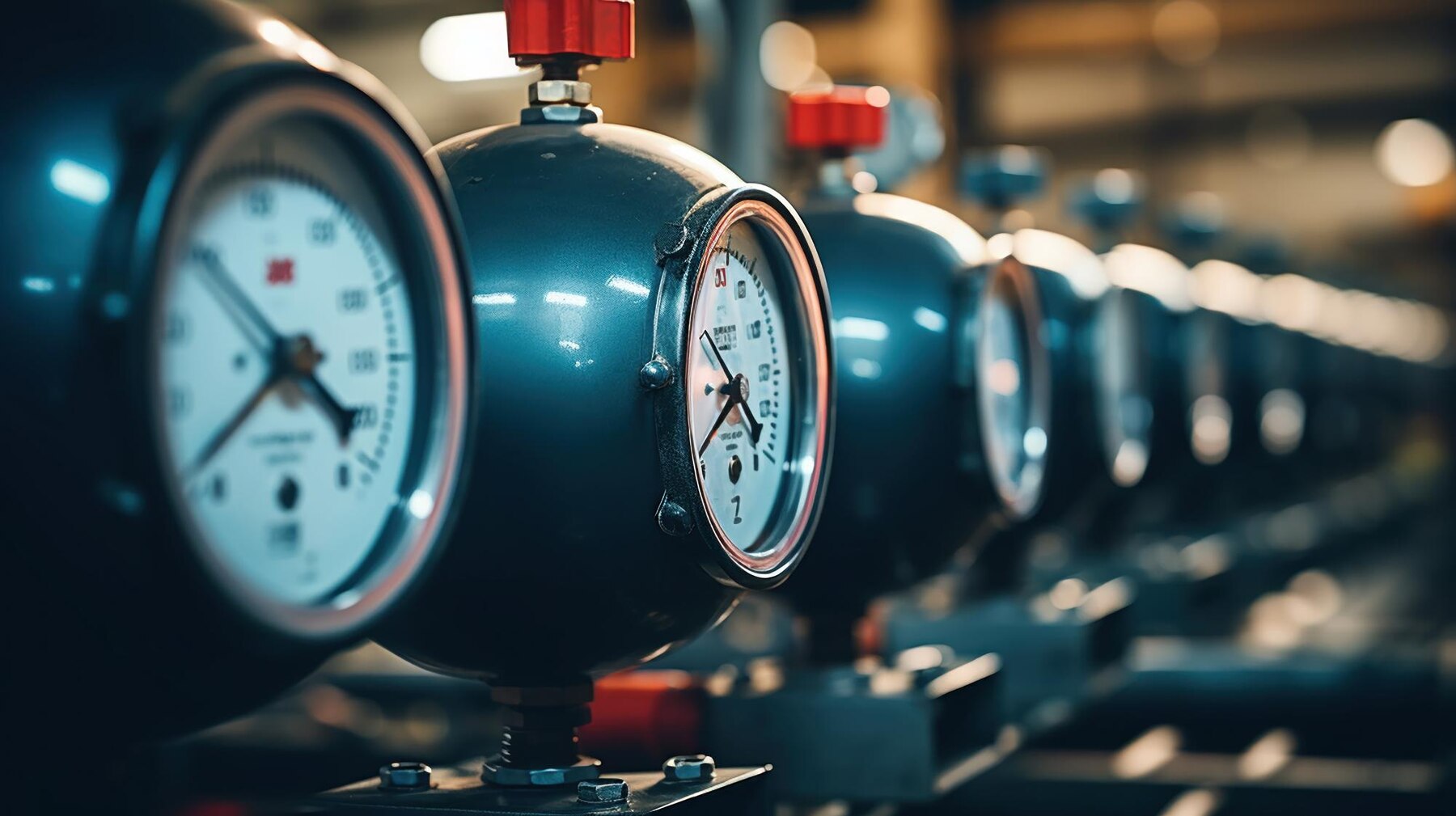
Liquefied Petroleum Gas (LPG) is a versatile, clean-burning fuel composed primarily of propane and butane. It is derived from natural gas processing and crude oil refining, making it a valuable byproduct of the energy industry. Known for its portability and high energy content, LPG is widely used in residential, commercial, industrial, and automotive applications.

Petrochemicals are an essential building block of modern life and the trade in these commodities is now both truly global and immensely complex.
Commodities are moving around the world in volumes and between destinations that were unimaginable only a few years ago.
Quality control of petrochemicals is essential for trader we carry out full specification testing to international, national, trade or company-specific standards for petrochemicals.
Our Petrochemical Services
focuses on balancing supply and demand of petrochemical products from domestic petrochemical plants, covering from upstream to intermediate products in aromatics and olefins chains. The business unit is also responsible for procuring and trading of petrochemical feedstock, by-products, petrochemical products as well as chemicals and solvents.
Mon - Sat: 10.00AM - 4.00PM
Sunday: Close


