



Taqat AL Noor Energy Trading LLC, incorporated in Dubai in 2015, is a leading name in petrochemical and raw material trading, having defined its clear niche in the industry for its core values – honestly, integrity, deep industry knowledge, and professional expertise.
A collaboration Indian oil trading professional and veteran entrepreneur Taqat Al Noor Energy aims to be a partner of choice in oil trading, connecting Dubai to core markets across the Middle East, All Over the globe.
With a team of expert professionals, who have about two decades of experience in petroleum and raw material products trading, Taqat Al Noor Energy Trading LLC aims to be the market leader in commodity trading – leveraging the enormous potential of the downstream industry in the UAE.
We provide a reliable supply of high-quality petrochemical products, ensuring consistent availability and fulfillment to meet clients demands.
We ensure that all our petrochemical products are sourced from reliable suppliers and meet the highest standards, providing our clients with dependable quality for their needs.
As a trusted supplier, we offer flexible payment options and fast delivery across globe and the Taqat Al Noor Trading LLC, adapting to our client’s needs.
We build Strong, trustworthy partnership with our clients, prioritizing transparency, commitment, and ethical practices.
With an extensive network, we source and supply a diverse range of petrochemical product efficiently, meeting various market needs.
Our operations adhere to strict safety and compliance standards, ensuring safe and secure delivery of products.
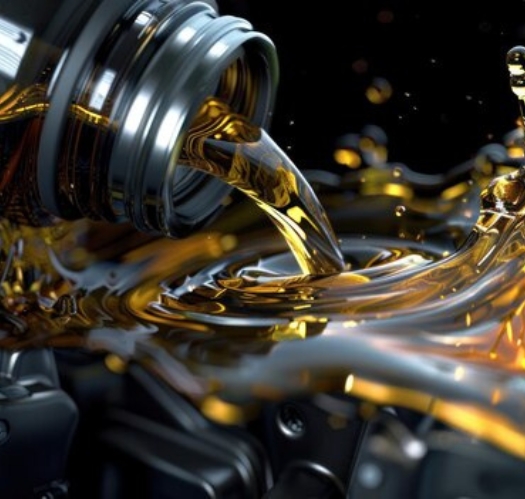

Light Oil, also known as light crude oil, is a type of petroleum characterized by its low density and low viscosity, making it one of the most sought-after resources in the energy industry. With a higher API gravity, typically above 31.1°, light oil is less dense than medium and heavy crude oils. This property allows for easier extraction, transport, and processing. Light oil contains fewer heavy hydrocarbons, making it an ideal candidate for refining into valuable products such as gasoline, diesel, and jet fuel. Additionally, light oil is less sulfurous, classifying it as “sweet” crude, which is not only more environmentally friendly but also more cost-effective to refine.

Heavy oil is a dense, viscous type of crude oil characterized by a high molecular weight and low API gravity, typically less than 20°. Due to its high density and viscosity, heavy oil requires more extensive refining processes, such as thermal cracking or hydrocracking, to convert it into valuable products like diesel, fuel oil, and lubricants. Heavy oil generally contains higher sulfur content and more impurities, making it more challenging to refine and transport compared to lighter oils. However, it remains a significant resource in the global energy market, especially as lighter crude reserves diminish.
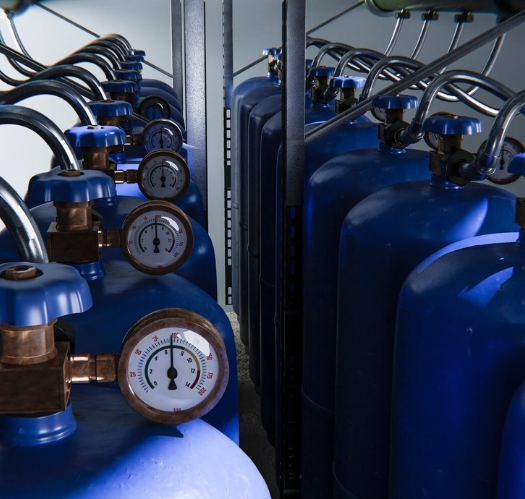
Liquefied Petroleum Gas (LPG) is a versatile, clean-burning fuel composed primarily of propane and butane. It is derived from natural gas processing and crude oil refining, making it a valuable byproduct of the energy industry. Known for its portability and high energy content, LPG is widely used in residential, commercial, industrial, and automotive applications.
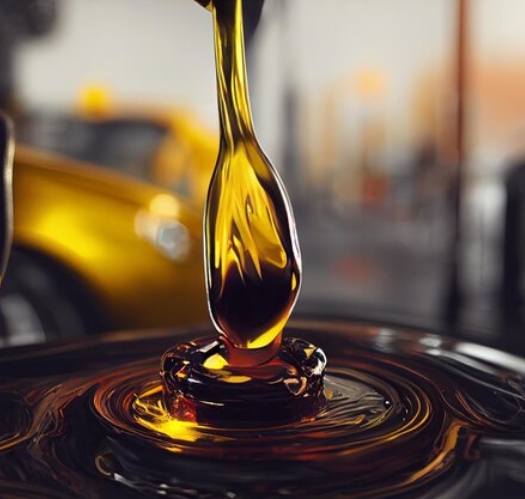
Diesel is a type of fuel derived from crude oil through the process of fractional distillation, widely used in the transportation, industrial, and agricultural sectors. Known for its energy efficiency and higher energy density compared to gasoline, diesel is the preferred fuel for heavy-duty vehicles, machinery, and equipment. It is categorized as a middle distillate and offers high torque output for engines, making it essential for powering large-scale operations.
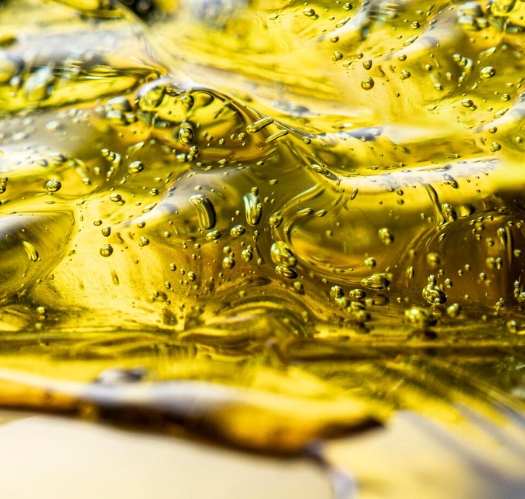
Fuel Oil is a heavy petroleum product used primarily for heating, power generation, and industrial applications. It is produced through the distillation of crude oil and consists of long-chain hydrocarbons with a higher density and viscosity compared to lighter petroleum products. Fuel oil is categorized based on its boiling range, sulfur content, and intended use, with the most common grades being residual fuel oils and distillate fuel oils.

Naphtha is a highly versatile and flammable liquid hydrocarbon mixture derived from crude oil or natural gas processing. It serves as a key feedstock in the petrochemical industry and plays a crucial role in producing gasoline, solvents, and various chemicals. Naphtha is prized for its light composition and ease of handling, making it a vital resource in energy and manufacturing sectors.

Bitumen, commonly known as asphalt, is a dense, highly viscous hydrocarbon product derived from crude oil. It is primarily used in road construction, waterproofing, and roofing due to its excellent adhesive and water-resistant properties. Bitumen is available in different forms, including bulk and big bags, depending on the transportation and storage needs.
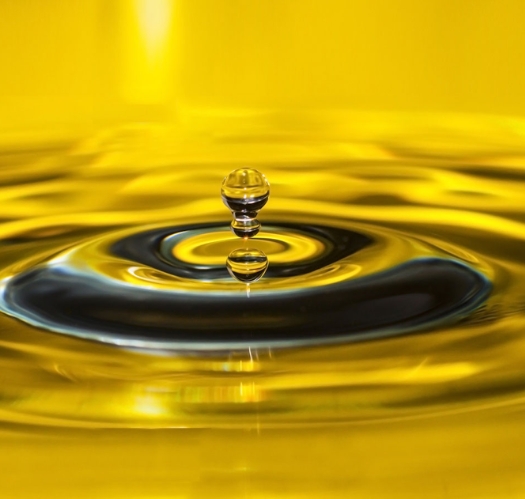
Base oils are used to manufacture products including lubricating greases, motor oil and metal processing fluids. Different products require different compositions and properties in the oil. One of the most important factors is the liquid’s viscosity at various temperatures.
Recycled Base Oil Used oil or waste oil is any type of mineral oil used in the production and industrial processes as lubricants or heat transmitter. During the operation, the oil reacts with oxygen and produces unsaturated polar compounds or asphalt
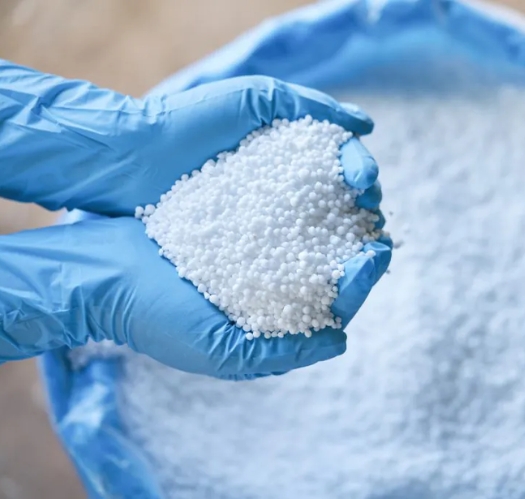
TNE is your partner in supplying raw mineral products, which play a crucial role in the steel manufacturing process. These preliminary forms are essential for further processing into various industrial applications.
Iron ore concentrate is a product that comes from the process of benefaction where the ore is crushed, ground, and the iron which is lower in grade is separated by removing impurities. It generally contains a higher iron content and a lower number of impurities compared to raw iron ore.
Use:
1. It is primarily used as a raw material in the production of steel. Steel mills use it in blast furnaces to produce pig iron. Iron ore pellets are small balls or spheroids of iron ore particles. They are made by compressing or molding iron concentrate fines into round balls and then hardening them by firing in sintering or kiln.
2. Pellets are used in blast furnaces and direct reduction processes as they allow for air to flow through efficiently, which in turn enhances ironmaking processes.

Petrochemicals are an essential building block of modern life and the trade in these commodities is now both truly global and immensely complex.
Commodities are moving around the world in volumes and between destinations that were unimaginable only a few years ago.
Quality control of petrochemicals is essential for trader we carry out full specification testing to international, national, trade or company-specific standards for petrochemicals.

Kerosene, also known as paraffin oil, is a versatile and widely used liquid hydrocarbon. It is a clear, colorless fuel derived from the distillation of crude oil. With its moderate volatility and relatively high flash point, kerosene is safer to handle and store compared to gasoline, making it a popular fuel for various applications.
Chemical Composition:
Kerosene is a mixture of hydrocarbons, primarily alkanes and cycloalkanes, with a boiling range between 150°C and 275°C. It is less volatile than gasoline but more volatile than diesel, which allows for controlled combustion and stability.
Aviation Kerosene (Jet Fuel):
Used as fuel for jet engines and aviation turbine engines due to its high purity and low freezing point.
Mon - Sat: 10.00AM - 4.00PM
Sunday: Close


